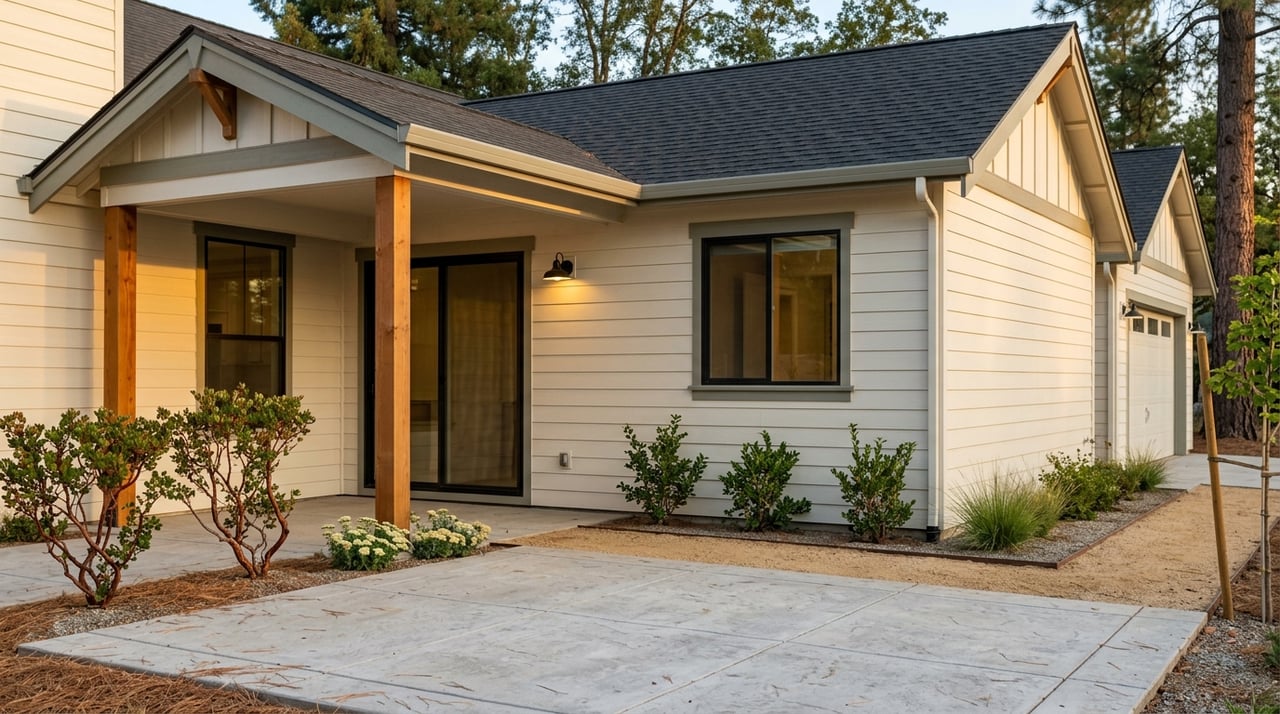
Thinking about buying a new-build home in Paradise? It can be a smart move, but this is not a plug-and-play market where you pick a floor plan and wait for move-in day. In Paradise, the lot, utilities, wildfire rules, and permit path can shape the entire purchase. This guide walks you through the steps so you can ask better questions, avoid surprises, and move forward with confidence. Let’s dive in.
Understand Paradise’s New-Build Market
Paradise is still rebuilding, and that makes its new-build market different from many other places in California. Town data showed 3,934 single-family permit applications received, 3,693 issued, and 3,227 certificates of occupancy as of July 7, 2026. Most identified housing sites are previously developed lots that were destroyed in the Camp Fire, and 95 percent of Paradise’s housing allocation was assigned to rebuild units lost in the fire.
For you as a buyer, that means many “new-build” opportunities are tied to individual lots, rebuild parcels, or smaller scattered-site projects rather than large master-planned subdivisions. It also means site conditions matter a lot. A great-looking home plan only works if the lot, access, utilities, and permit requirements line up.
Start With the Lot
Before you focus on finishes, upgrades, or builder incentives, make sure the lot works for the home you want. In Paradise, zoning, setbacks, and parcel history can affect what can be built and where it can sit on the property. The Town says setbacks can depend on the zoning district and any recorded parcel or subdivision map that created the lot.
If the property needs a lot line adjustment, merger, tentative parcel map, or subdivision map, there are separate planning applications for each. That can change the timeline and complexity of the purchase. This is one reason experienced local guidance matters early.
Check zoning and setbacks first
Use the Town of Paradise zoning information and verify the basic building envelope before you commit. You want to know whether the home you plan to buy or build actually fits the lot as expected. A mismatch here can create delays, redesign costs, or disappointment later.
Ask about parcel history
Some lots in Paradise have a straightforward rebuild path, while others may involve added planning review. If the lot was part of a subdivision or common-interest development, ask for all project documents early. You want clarity before you become obligated to move forward.
Review Wildfire and Evacuation Factors Early
Wildfire exposure is not a side issue in Paradise. The Town’s fire-hazard map places Paradise in very high fire hazard severity zones, and property owners must comply with defensible-space rules under Municipal Code 8.58. This should be part of your due diligence from day one.
You should also review evacuation access before signing. The Town provides a Find My Evacuation Zone resource, and Paradise is divided into 14 evacuation zones. Knowing the zone and understanding how the property is accessed can help you make a more informed decision.
Defensible space is an ongoing obligation
A defensible-space clearance can help open escrow, but that does not end the responsibility. The Town says the certificate used for escrow clearance can remain valid for 90 days. After closing, you still need to maintain the property in compliance.
Confirm Water, Septic, and Utility Feasibility
One of the biggest Paradise-specific steps is verifying utilities before closing. Paradise says it is the largest unsewered city in California, and the current sewer project is aimed mainly at commercial areas. In practical terms, many residential lots still rely on septic systems or require special wastewater review.
That means you should not assume a lot is ready just because a home is planned there. Utility feasibility can affect cost, timing, and whether a project can move ahead smoothly.
What to verify before signing
Here are some of the most important utility questions to ask:
- Does the lot have existing water service through PID?
- If not, will a new meter order be needed?
- Is the property on septic, and has it passed a post-fire septic evaluation?
- If repairs are needed, is there already a septic repair permit?
- Has the applicant contacted PG&E and started the service application process?
The Town’s residential checklist says applicants must contact PG&E and submit an electronic site plan, and the PG&E service application number is required before a building permit can be issued. That is a key detail because power coordination can affect your timeline.
Check PID status through escrow
If the property already has PID service, the water account status must be disclosed and transferred through escrow. If service is disconnected, there may be reconnect costs, capacity fees, backflow requirements, or ready-to-serve charges. It is better to understand those numbers before closing than after.
Use Paradise’s Pre-Design Screening
One of the most useful local tools for buyers and builders is the Town’s free Pre-Design Screening step. This can verify parcel data, zoning, setbacks, septic leach-line location, assessor resources, and special permit zones before a full application is submitted. In a market like Paradise, that early check can save time and reduce surprises.
It also matters because incomplete packets are not accepted. If you are buying a new build that has not fully cleared this stage, ask where the property stands and what has already been confirmed.
If It’s in a Subdivision, Request the Public Report
If the home is in a subdivision or common-interest development, ask for the California Department of Real Estate public report before you are obligated to buy. This report is a major disclosure document. It can cover CC&Rs, HOA costs and assessments, utilities, roads, soil and geologic conditions, title, zoning, use restrictions, hazards, and the financial arrangements for finishing the project.
This is especially important if you are comparing a scattered rebuild lot with a community-style development. HOA membership transfers automatically with the property, so you should review dues and assessment obligations carefully.
Understand What the Permit Process Really Involves
In Paradise, a new-build permit package is much more than a simple sketch. The Town’s residential checklist calls for plan sets, structural and energy calculations, survey work, grading and best-management-practice forms, a construction-and-demolition recycling plan, and when needed, solar, fire sprinkler, geotechnical, and septic documents.
The checklist also says wildland-urban-interface materials and construction methods apply. That means construction standards in Paradise are shaped by local fire conditions, and those requirements can affect design choices and costs.
Plan for a survey
Buyers often ask whether a survey is needed. In Paradise, you should usually plan on one. The Town’s checklist calls for a survey by a land surveyor or civil engineer licensed in land surveying, along with other site-specific documents.
Timing depends on the site
There is no one-size-fits-all timeline for a new-build purchase in Paradise. Zoning, setbacks, septic or sewer review, PG&E coordination, permit completeness, and inspection scheduling can all affect how long the process takes. The Town is also still handling a large volume of rebuild-related activity, which adds to the importance of careful planning.
Know How Inspections and Final Sign-Off Work
Paradise now uses GovWell for permit applications and inspection requests, and the Town says next-day inspection service is available. That can help keep projects moving, but only if the file is complete and the work is ready for inspection. Delays often happen when documents are missing or deferred items stack up.
For final sign-off, expect paperwork as well as a physical inspection. The Town’s final-document checklist includes items such as the recycling form, subcontractors’ checklist, operations-and-maintenance manual for single-family homes, HERS verification, septic permit and as-built if applicable, encroachment permit if applicable, solar permit, and signature verification.
Final approval is not just a walk-through
Inspectors no longer take final paperwork in the field. That means you or the builder need to stay organized through the finish line. If you are buying from a builder, ask what remains before final approval and certificate of occupancy.
Prepare for Closing Costs and Post-Closing Expenses
When you buy a newly built home in Paradise, your financial picture may change after closing. Butte County says property taxes are based on 1 percent of assessed value plus local assessments, and California law requires reassessment after new construction is completed. Supplemental property-tax bills are separate from the annual secured tax bill.
That catches some buyers off guard, especially if they budget only for the regular tax bill. Ask early how reassessment may affect your payment planning.
Watch for property-specific utility costs
A disconnected water account, septic repairs, or utility setup details can add costs around closing or shortly after move-in. These are not unusual in Paradise’s rebuild environment, but they are important to identify ahead of time.
Ask About First-Time Buyer Help
If you are a first-time buyer, there may be local support worth exploring. The Town has a HOME Infill New Construction for First-Time Homebuyer program intended to help finance scattered-site single-family homes and provide down-payment assistance to income-eligible buyers in Paradise.
Program availability and eligibility matter, so it is smart to ask about this early in your search. If a home may qualify, that could shape your budget and options.
A Simple Step-by-Step Path
If you want a practical roadmap, here is a simple way to approach buying a new-build home in Paradise:
- Identify the lot or new-build property.
- Verify zoning, setbacks, and parcel status.
- Review wildfire exposure, evacuation zone, and defensible-space requirements.
- Confirm water, septic, and PG&E feasibility.
- Use the Town’s Pre-Design Screening when applicable.
- Request the DRE public report if the home is in a subdivision or common-interest development.
- Review the purchase contract, disclosures, financing disclosures, and escrow instructions carefully.
- Ask what permits, inspections, and final approvals are complete and what remains.
- Budget for reassessment, supplemental taxes, and utility-related transfer or reconnect costs.
- Keep expectations flexible because timing in Paradise is highly site-dependent.
Buying a new-build home in Paradise can be a great opportunity, but the best results usually come from careful lot review and strong local guidance. In a rebuild-heavy market, details matter. If you want help sorting through lots, builders, disclosures, and next steps, Doug Speicher can help you navigate Paradise with clear advice and local experience.
FAQs
What makes buying a new-build home in Paradise different from other markets?
- Paradise is still a rebuild-heavy market, so many new-build opportunities are tied to previously developed lots, site-specific utility issues, wildfire rules, and individual permit paths rather than large subdivision projects.
Is Paradise sewered for most new-build homes?
- Mostly no. The Town says Paradise is the largest unsewered city in California, and the current sewer project is focused mainly on commercial areas, so many residential properties still rely on septic.
Do buyers need to check septic before buying a new-build property in Paradise?
- Yes. The Town’s checklist says proof of a passed post-fire septic evaluation or a septic repair permit is required before permit issuance when applicable.
Do buyers usually need a survey for a new-build home in Paradise?
- Usually yes. Paradise’s residential checklist calls for a survey by a licensed land surveyor or civil engineer licensed in land surveying, along with other site-specific documents.
What should buyers review before signing for a new-build home in Paradise?
- At minimum, review the purchase contract, seller disclosures, financing disclosures, escrow instructions, and if applicable, the California Department of Real Estate public report for the subdivision or development.
How long does it take to buy or finish a new-build home in Paradise?
- Timing depends on the site. Zoning, setbacks, septic or sewer review, PG&E coordination, permit completeness, and inspection scheduling can all affect the timeline.
Do new-build buyers in Paradise need to think about defensible space after closing?
- Yes. All property owners must comply with Paradise Municipal Code 8.58, and any defensible-space clearance used for escrow is only valid for 90 days.
Will buying a new-build home in Paradise affect property taxes?
- Yes. Butte County says new construction is reassessed when completed, and buyers may receive supplemental property-tax bills separate from the regular annual secured tax bill.