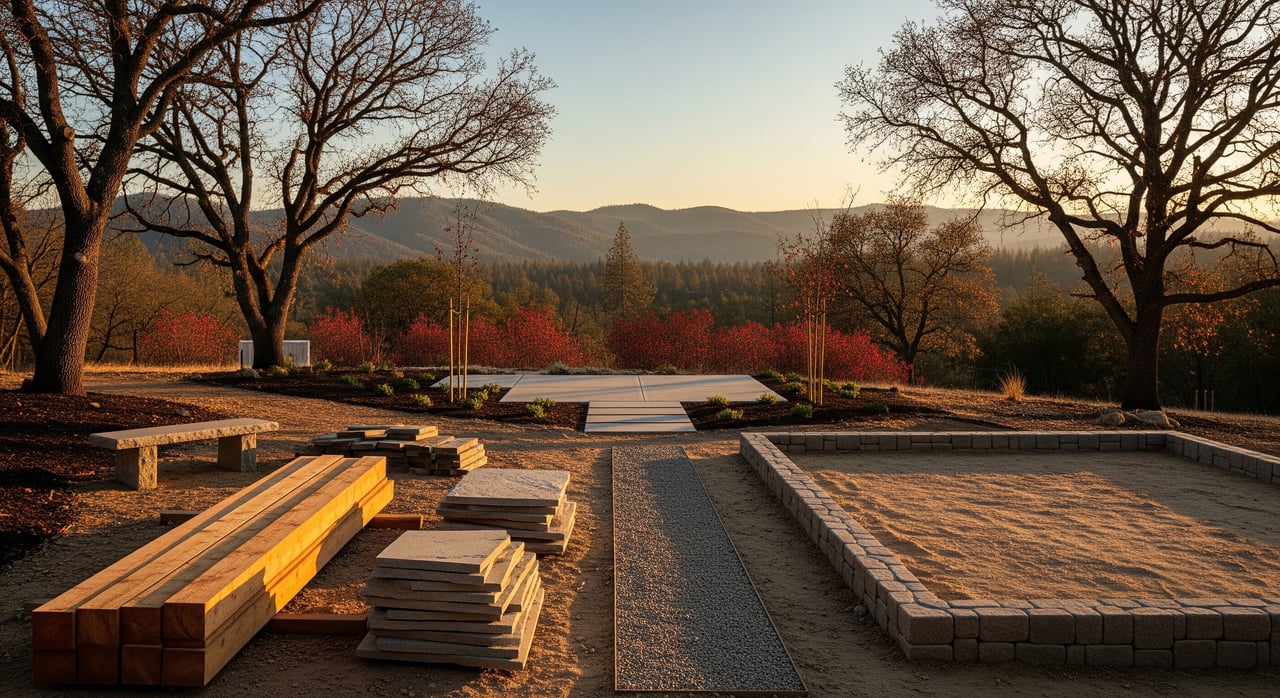
Staring at your Paradise lot or home and wondering if you should rebuild or sell? You are not alone. After the Camp Fire and ongoing wildfire risk, this choice is complicated and personal. In this guide, you’ll learn how to weigh insurance, permits, costs, timelines, and market demand in Paradise so you can move forward with clarity. Let’s dive in.
How Paradise’s context shapes your choice
Paradise sits in the Wildland-Urban Interface, so wildfire risk is a key part of every decision. Building codes emphasize home hardening and defensible space, and utility Public Safety Power Shutoffs can affect comfort and costs.
Insurance has tightened across high-fire areas. Many owners now use the California FAIR Plan or must complete specific mitigation to secure private coverage. These realities affect who can buy your property, what lenders will allow, and what you will pay to insure a home after a rebuild.
Option 1: Rebuild, then live or sell
What buyers value in Paradise
Buyers respond to homes that are move-in ready, built to current codes, and show clear wildfire mitigation. Features like ignition-resistant materials, ember-resistant vents, Class A roofing, dual-pane windows, and fire-conscious landscaping can help your home stand out. Backup power or utility resilience features can also increase appeal.
Permits, codes, and site requirements
Rebuilding in Paradise means planning for WUI home-hardening requirements and defensible space rules. Confirm setbacks, lot coverage, and whether your septic capacity or sewer connection needs updates. Some sites require grading, geotechnical or foundation reports. You will also coordinate utility reconnections for water, gas, electric, and communications. If any demolition or hazardous-material work remains, it must be permitted and cleared before new construction.
Insurance after you rebuild
Private carriers often require mitigation steps to offer coverage. If that is not available, the California FAIR Plan may provide basic structural coverage, but it usually excludes liability and contents. Some lenders will not close a loan without broader coverage, so it is smart to talk with multiple brokers early and get requirements in writing.
Timeline to expect
Allow 2 to 9 months for design and permit reviews, depending on complexity and workload. Construction for a single-family home often runs 6 to 18 months. With inspections and financing steps, the full path from decision to a move-in ready home can span 12 to 30 months.
Who this option fits
- You plan to stay in Paradise and value a new, hardened home.
- You can manage a long timeline and construction decisions.
- Your pro forma shows a feasible budget and acceptable insurance options.
Option 2: Sell the lot or a damaged home
Buyer demand for lots
Vacant lots can be slower to sell than finished homes because many buyers prefer move-in ready options and simpler financing. That said, investors, builders, and owner-builders may be interested, especially if the lot is cleared and key site details are documented.
Make a lot more marketable
- Clear hazards or demolition debris and keep vegetation maintained.
- Gather proof of utilities on site or at the street and any easements.
- Provide septic or sewer information and any prior permits.
- Share surveys, setbacks, topography notes, and any geotechnical reports.
Timeline to expect
Lot and as-is sales can take 60 to 180 days or more, depending on price, buyer financing, and documentation. Construction loans or cash buyers may need extra time to finalize plans and underwriting.
Who this option fits
- You need liquidity sooner and want to avoid build risk.
- You prefer to transfer project complexity to a buyer.
- Your pro forma shows limited financial upside from a rebuild.
Option 3: Sell an existing habitable home
What helps it sell
Move-in ready homes with clear defensible space, visible hardening features, and updated systems appeal to more buyers. Insurance clarity helps too. Be prepared to share disclosures about any prior damage and mitigation work.
Timeline to expect
In typical conditions, a habitable home can close in 30 to 90 days from listing. Insurance and financing contingencies can add time, so set expectations upfront.
Who this option fits
- You want a more predictable timeline than a rebuild.
- You can complete modest prep to improve presentation and confidence.
- You have acceptable insurance options that satisfy lenders.
Compare potential financial outcomes
Think in terms of categories, not just sale price. Build a simple pro forma for each path.
- Sell as-is (damaged): Expect a smaller buyer pool and possible concessions. Buyers may discount for demolition, remediation, or unknowns.
- Clear lot and sell: Cleanup can widen the buyer pool, but the sale price may not fully recoup demolition and remediation costs.
- Rebuild then sell: You take on full build and holding costs, then sell a new home that may achieve a higher price. Whether that beats total cost depends on materials, labor, and current demand.
- Rebuild and occupy: The personal value of returning home may outweigh near-term financial returns. Long-term appreciation and lifestyle often drive this choice.
Key inputs to model:
- Insurance payouts and timing; remaining mortgage balance.
- Demolition or debris removal and any remediation.
- Permit and impact fees; WUI hardening and defensible space costs.
- Construction costs plus contingencies for inflation or delays.
- Holding costs while building, including taxes, insurance, utilities, interest, security, and temporary housing.
- Transaction costs to sell, including commissions, escrow/title, repairs, and prorations.
- Tax topics such as casualty loss rules or potential deferral under involuntary conversion rules. Consult a tax professional for specifics.
Build your pro forma in five steps
List your receipts. Include insurance funds released to date and any future expected payments or advances.
List your expenses. Estimate permits, site work, construction, utilities, mitigation, holding costs, and sale transaction costs.
Set realistic timelines. Use the ranges above to forecast monthly holding costs.
Test three scenarios. Sell now, sell after cleanup, or rebuild then sell/occupy. Compare net outcomes.
Stress test. Add a contingency for construction and timeline overruns to see if your plan still works.
Insurance checklist
- Get your current policy, declarations page, and any non-renewal notices.
- Ask your insurer and two or three brokers what mitigation is required for private coverage after a rebuild.
- Confirm whether a FAIR Plan plus a wrap policy would satisfy lenders.
- Request written coverage estimates, deductibles, and required upgrades.
Permitting and site checklist
- Confirm which office issues your permits for your parcel: Town of Paradise or Butte County.
- Verify WUI requirements such as ember-resistant vents, roofing classification, and defensible space obligations.
- Check setbacks, lot coverage, and whether septic capacity or a sewer connection is needed.
- Ask if a grading permit, soil testing, or foundation report is required.
- Map out utility reconnections for water, sewer/septic, gas, electric, and communications.
Market check in Paradise
Look at recent sales and active listings for new builds, lots, and as-is properties in Paradise and nearby Butte County communities. Pay attention to days on market and price trends. Homes that showcase modern hardening and clear mitigation often see stronger buyer interest.
Decision checklist
- Personal fit: Do you want to return to Paradise and can you live with a 12 to 30 month rebuild horizon?
- Financial feasibility: Does your pro forma show a comfortable budget and contingency?
- Insurance feasibility: Can you secure acceptable post-rebuild coverage that meets lender standards?
- Market feasibility: Is demand for new, hardened homes strong enough to justify costs?
- Liquidity needs: Do you need faster proceeds for relocation or debt payoff?
- Risk tolerance: Are you comfortable managing contractors, inspections, and cost overruns?
Local next steps and who to call
- Town of Paradise Building and Planning; Butte County Building Division for parcel-specific code and permits.
- Cal Fire or local fire authority for defensible space and WUI guidance.
- California Department of Insurance and licensed brokers for wildfire coverage options, FAIR Plan information, and consumer protections.
- FEMA and Cal OES for any active disaster assistance or hazard mitigation grants.
- Butte County Association of Realtors for local market context and trends.
- Lenders experienced with lot and construction loans in wildfire areas.
- Contractors and architects who understand local WUI builds.
- A tax professional for casualty loss and potential involuntary conversion guidance.
How Speicher Real Estate supports your choice
You deserve a partner who understands Paradise and can guide a clear plan. Speicher Real Estate combines local knowledge with high-production marketing to reach qualified buyers. Our team has handled 700 plus transactions and has deep post-disaster experience, including 121 new-build sales. We help sellers package lots and homes with strong visuals and complete documentation and advise buyers and owner-builders on local realities so deals close with fewer surprises.
Ready to talk through your options, run numbers, and map your next steps? Reach out to Doug Speicher for a no-pressure conversation and a free home valuation.
FAQs
What should Paradise owners consider before deciding to rebuild or sell?
- Gather insurance, loan, permit, and lot-utility documents, then build a side-by-side pro forma for sell now, sell after cleanup, and rebuild scenarios.
How long does a Paradise rebuild usually take?
- Plan for 2 to 9 months for design and permits and 6 to 18 months for construction, with a total timeline of roughly 12 to 30 months.
Can I get insurance for a rebuilt home in Paradise?
- Many carriers require specific mitigation; if private coverage is not available, the California FAIR Plan may offer basic structural coverage that some lenders may not accept alone.
Is it harder to sell a vacant lot than a home in Paradise?
- Lots often take longer to sell and can be harder to finance, while move-in ready, hardened homes generally appeal to a wider buyer pool.
What costs should I include when modeling a rebuild in Paradise?
- Include permits, site work, WUI hardening, construction, utilities, holding costs, insurance, and a contingency for delays or inflation.
What documents help sell a Paradise lot faster?
- Proof of utilities, septic or sewer details, surveys, setbacks, any geotechnical reports, and records of demolition or hazard clearance support a smoother sale.